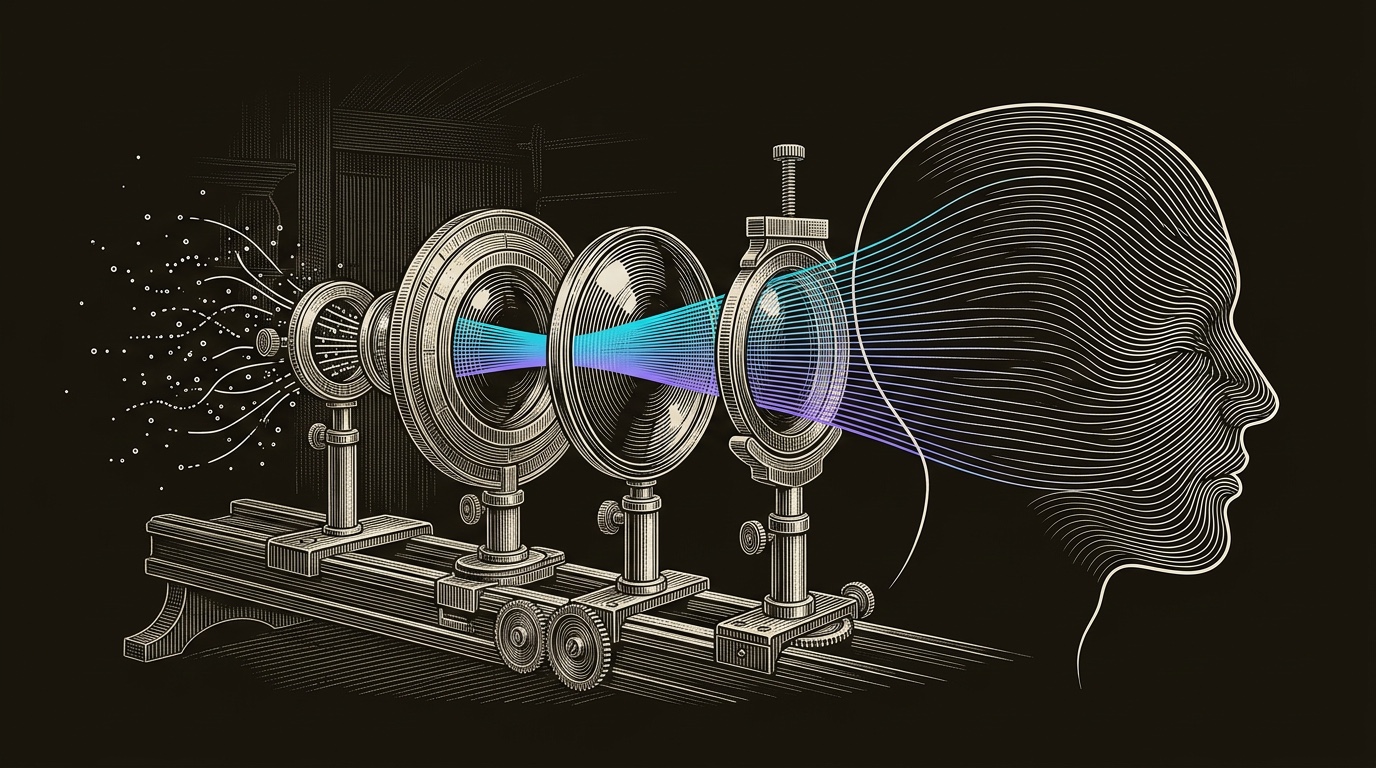
AI personalization is the use of artificial intelligence:including machine learning, predictive analytics, and real-time data processing:to tailor content, recommendations, and outreach to individual buyers based on their behavior, preferences, and interaction history. Companies that implement AI personalization generate up to 40% more revenue than those that don't.
From Thomas Cornelius, Founder & CEO, graph8: "AI personalization isn't about sending smarter emails: it's about building systems that learn from every interaction and compound that intelligence into pipeline. Companies treating personalization as a tactic will always lose to those treating it as infrastructure."
AI-powered personalization is reshaping how B2B companies grow, with 92% of businesses now investing in it to drive better customer experiences through data quality and real-time signal management. Companies that deliver personalized experiences generate 40% more revenue: a figure that reflects not just better open rates, but fundamentally stronger pipeline conversion.
This article covers five proven AI personalization strategies for B2B growth, the key components behind them, and how CIENCE deploys them across 2,500+ client engagements in 250+ industries.
Last Refreshed: March 2026: updated AI personalization statistics, added graph8 platform context, and expanded pipeline matching and hybrid personalization strategies.
What Is AI Personalization?
AI personalization uses artificial intelligence to tailor content, recommendations, and experiences to individual buyers based on their behavior, preferences, and interactions. It goes beyond mail-merge name insertion: it uses real behavioral signals to predict what a buyer needs before they ask.
This approach applies data analysis, machine learning, and predictive analytics to deliver customized interactions that increase engagement and conversion across every outbound and inbound channel.
Key Components of AI Personalization
- Data Collection and Analysis
- User Data: Collects behavioral signals across touchpoints: page visits, email opens, content downloads, and call interactions.
- Data Integration: Merges signals from multiple sources (browsing history, purchase history, LinkedIn activity) into unified buyer profiles.
- Machine Learning Algorithms
- Pattern Recognition: Identifies which behavioral patterns predict purchase intent and surfaces the right accounts at the right time.
- Recommendation Engines: Suggests products, content, or actions tailored to each buyer's profile and stage.
- Real-Time Personalization
- Dynamic Content: Adjusts website content, emails, and ads in real time based on current user behavior.
- Predictive Personalization: Anticipates buyer needs and triggers proactive outreach before intent fully forms.
Benefits of AI Personalization
- Impact on Business Metrics: AI-driven personalization delivers up to 2,000% ROI: $20 returned for every $1 spent. Revenue increases of 40% are documented across companies of every size.
- Real-Time Data Utilization: 60% of business leaders say real-time data is critical for customer acquisition: timely, relevant personalization is no longer optional.
- Consumer Trust and Privacy: Only 41% of consumers are comfortable with AI personalization broadly, but 69% appreciate it when it's based on data they've explicitly shared. Transparency isn't just a compliance requirement: it's a conversion multiplier.
The implementation challenge is real: 63% of marketers acknowledge that data-driven personalization is difficult to execute, but 97% of businesses are actively investing in customer data infrastructure to close that gap. The companies that solve it build compounding pipeline advantages.
"CIENCE tripled our weekly meetings booked.": Mandolin
Still running generic outreach and watching reply rates drop? The problem isn't your reps: it's the absence of personalization infrastructure.
5 Proven Strategies for AI-Powered B2B Personalization
AI personalization in B2B isn't one tactic: it's a stack of coordinated systems that each add precision to how you identify, engage, and convert prospects. Here are the five strategies that consistently move the needle:
1. Voice AI for Personalized Sales Calls
Voice AI processes prospect data: job experience, skills, professional interests, company context, and account-level signals: to personalize every call before the phone rings. When a prospect picks up, the conversation opens with messaging tailored to their specific role, company situation, and likely pain points.
CIENCE feeds AI engines with both individual profile data and account-level signals to shape call scripts dynamically. This turns cold calls into relevant conversations: and relevant conversations into booked meetings.
2. AI-Driven Email Personalization at Scale
Email remains the backbone of B2B outreach, but generic sequences get ignored. AI enables outbound and inbound teams to craft highly personalized campaigns at scale, then send individualized follow-ups that match each prospect's context and prior behavior.
By integrating professional data with behavioral signals, AI builds cold email sequences that feel hand-written: and convert at significantly higher rates than batch-and-blast templates.
3. AI-Powered Sales Pipeline Matching
Most companies assign accounts to AEs based on territory or availability. AI changes that equation. By analyzing AEs' experience, deal history, and communication patterns alongside prospect firmographics and intent signals, AI matches accounts to the reps most likely to close them.
CIENCE uses this pipeline-matching approach to increase deal velocity and improve sales pipeline close rates: because the right rep for the right prospect isn't guesswork, it's a data problem.
4. AI for Content and Message Personalization
Beyond sequencing, AI personalizes the message itself: adjusting value propositions, proof points, and CTAs based on the buyer's industry, role, and buying stage. A VP of Engineering at a 500-person SaaS company gets a fundamentally different message than a Sales Director at a 50-person services firm, even within the same campaign.
This level of granularity previously required extensive manual work. AI delivers it at scale across your entire B2B data universe.
5. Hybrid Personalization: AI Precision + Human Nuance
The most effective AI personalization doesn't replace human judgment: it amplifies it. At CIENCE, AI handles data processing, segmentation, and first-draft personalization. Experienced SDRs and strategists then apply context, emotional intelligence, and nuance that pure automation misses.
This hybrid model consistently outperforms both full automation and fully manual outreach: typically delivering 3x improvements in engagement rates when human oversight is added to AI-generated personalization.
Challenges in Implementing AI Personalization
Data Privacy and Compliance
AI personalization creates real compliance obligations. CIENCE focuses exclusively on publicly available B2B data: job titles, company information, and professional interests: and follows all relevant regulations including GDPR and CCPA. Sensitive personal data is never used.
Data quality is equally non-negotiable. Accurate B2B data maintains over 95% accuracy because inaccurate inputs don't just reduce personalization quality: they damage deliverability and sender reputation.
Scaling Without Losing the Human Touch
The risk of pure automation is at-scale mediocrity: technically personalized content that still feels robotic. The companies that win with AI personalization build systems where AI handles volume and humans handle nuance: the hybrid approach described above. See pricing options to for how CIENCE structures this model.
Embracing AI for Personalized B2B Outbound
AI personalization has moved from competitive advantage to competitive requirement. Companies that deploy it systematically: across calls, emails, pipeline management, and content: don't just outperform their peers. They build compounding advantages as their systems learn from every interaction.
CIENCE has deployed AI personalization across 2,500+ client engagements in 250+ industries. The pattern is consistent: when AI precision meets human creativity, results improve by an order of magnitude over either approach alone. Clients across outbound SDR programs routinely see reply rates, meeting volumes, and pipeline velocity increase within the first 60 days.
If your outbound is producing diminishing returns despite more tools and more reps, the problem isn't execution: it's architecture.
"Thanks to CIENCE, we've seen a 500% monthly increase in new sales appointments.": Bryce Garoutte, Sr. VP of Business Development & Marketing, Silicon Valley Insight
CIENCE + graph8 pricing: $5,000 one-time GTM system setup, $2,499/mo strategic execution, and the graph8 platform at $499/mo. No long-term contracts. See full pricing to
Whether or not you decide to work with us, you'll leave with a clear picture of where your pipeline is losing to generic outreach: and what it would take to fix it.
Frequently Asked Questions
What is AI personalization in B2B marketing?
AI personalization in B2B marketing uses machine learning to analyze prospect data: including demographics, job history, company information, and behavioral signals: to deliver tailored messages and experiences at scale. Unlike manual personalization, AI processes thousands of data points simultaneously to craft individualized outreach for each prospect across every channel.
How does AI personalization improve conversion rates?
AI personalization improves conversion rates by making every touchpoint relevant to the recipient's specific context and needs. Companies using AI-driven personalization see up to 2,000% ROI ($20 for every $1 spent) and 40% more revenue. Real-time behavioral adjustments mean each interaction builds on the last: creating a compounding effect on engagement and close rates.
Is AI personalization safe for B2B data privacy?
AI personalization can be implemented safely by focusing on publicly available B2B data: job titles, company information, and professional interests. Reputable providers follow GDPR, CCPA, and other applicable regulations, and only use data that prospects have explicitly shared or made publicly available. CIENCE maintains over 95% data accuracy across all datasets to ensure both compliance and effectiveness.
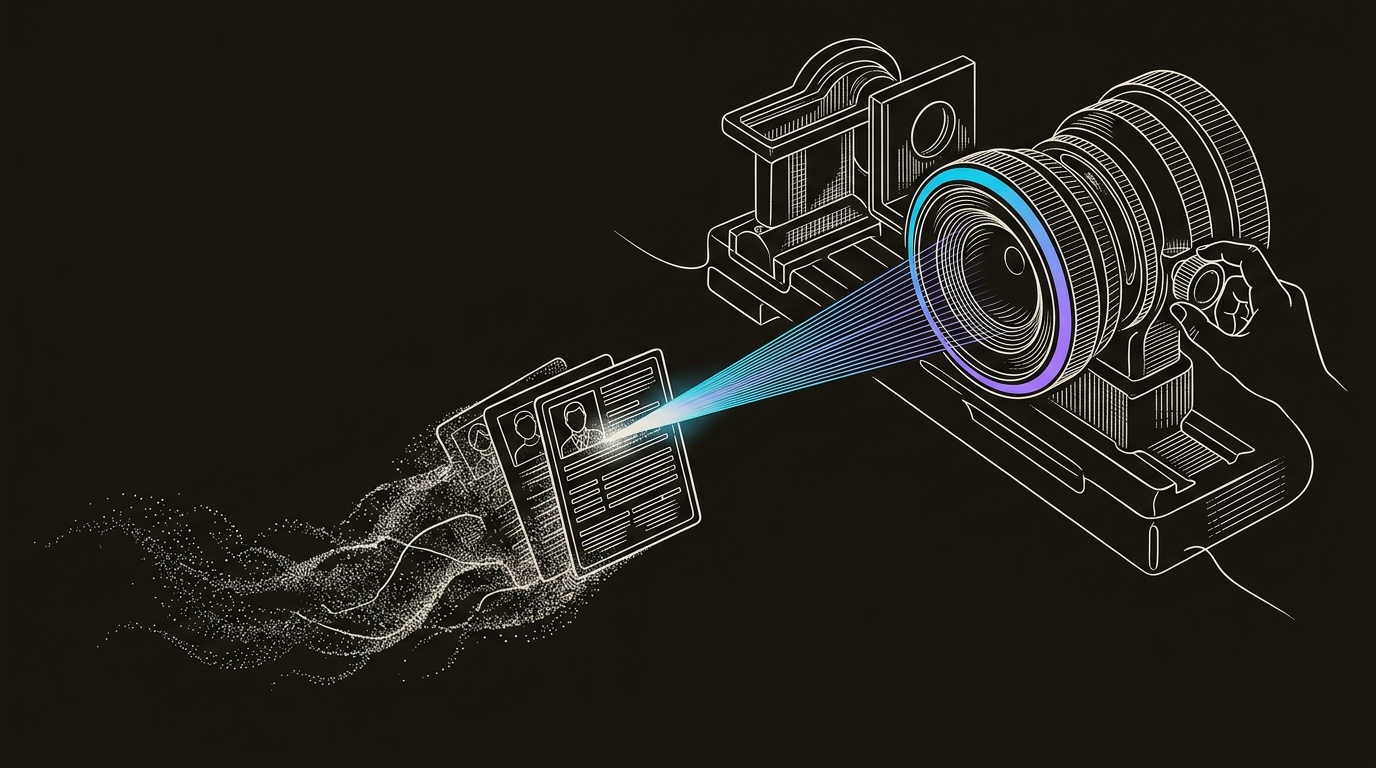
The optics have done their job. Signal dust becomes one buyer profile, one timing decision, and one human-reviewed outbound motion.