CIENCE ranked #4 on The Manifest's global Top 100 Call Center list: then built a platform that made the call center model obsolete.
Last refreshed: March 2026: updated transformation narrative, graph8 Forward Deployed Engineer model, and current pricing.
From Thomas Cornelius, Founder & CEO, graph8: "The best decision we ever made at CIENCE was recognizing that the phone-powered SDR model had a ceiling. Most companies wait until the ceiling collapses. The ones that win build the next model before they've exhausted the old one."
The Manifest, a Clutch-powered business research platform, recognized CIENCE at #4 on its global list of Top 100 Call Center Services. The annual award honored the most-reviewed high-performing businesses based on twelve months of verified client feedback. Only fifteen companies made the featured list, and CIENCE was near the top.
We were one of the best call centers in the world. And the best thing we ever did was stop being one.
What Being #4 Taught Us
When you're ranked fourth globally in an industry built on phones and people, you see the economics of that model more clearly than anyone. We saw what it cost to maintain hundreds of SDRs: the hiring, the training, the 6-8 week ramp times, the quarterly resets. We saw the math that clients were doing: cost per meeting rising, pipeline velocity stalling, diminishing returns on every additional headcount dollar.
Our clients told The Manifest they loved working with us. The reviews were real. The results were real. But the trajectory was clear: the call center model had a ceiling, and we were pressing against it.
Every quarter required the same investment to produce the same output. There was no compounding. No use. Just more people, more phones, more overhead: and a market that was moving toward something fundamentally different.
"CIENCE Technologies secured about 30 meetings with ideal prospects, several of which represented Fortune 500 companies.": Ben Kraus, Head of Sales, Jane.ai
Thirty meetings is great. But a model that requires the same investment to produce thirty more next quarter isn't sustainable.
Does This Sound Familiar?
If you're managing B2B outbound sales right now, you already know the feeling. Your team dials. They email. They follow up. Some meetings get booked. Then the quarter resets and you start from zero.
Your cost per qualified meeting keeps climbing. Your SDRs spend more time on administrative tasks: updating CRMs, researching accounts, managing sequences: than on actual conversations. And every time you try to scale, you hit the same wall: more people means more cost, but not proportionally more results.
You're running a people-powered engine in a world that rewards data-driven systems. The phone isn't the problem. The architecture is.
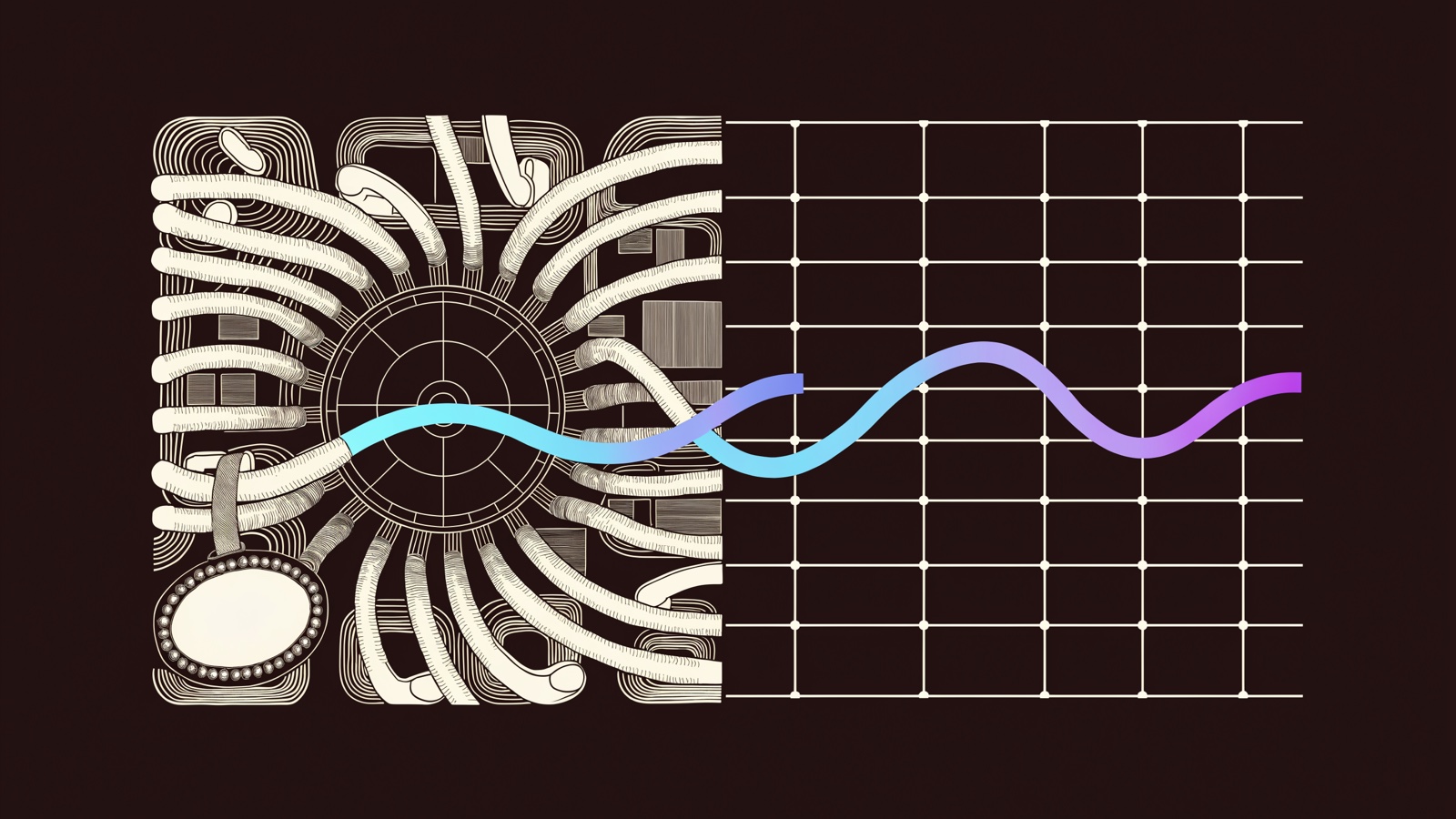
From top call center to no call center. The platform ate the phone: and the results got better.
From People to Platform
CIENCE is now part of graph8: and the transformation is exactly what the #4 global call center ranking hinted at: the phone-powered model was never the destination. It was the proving ground.
graph8 was built on one thesis: go-to-market should be an engineering discipline, not a staffing exercise. The company that was once a top-4 global call center now deploys Forward Deployed Engineers instead of SDR teams.
The concept comes from Palantir's approach to defense and intelligence. Palantir doesn't ship software and walk away. They embed engineers who understand both the platform and the mission. graph8's Forward Deployed Engineers for GTM work the same way: except the mission is pipeline.
What replaced the phones:
- Targeting shifted from SDRs manually researching accounts to AI systems that map your ICP across firmographic, technographic, and intent signals: updated continuously
- Outreach moved from cold calls and templated emails to automated multi-channel campaigns across email, LinkedIn, and programmatic ads: timed to buyer behavior
- Optimization went from team leads reviewing call recordings to engineers monitoring conversion data in real time and adjusting daily
The results: clients regularly see cost-per-meeting drop 40-60% within the first two quarters. New campaigns deploy in days instead of the 6-8 weeks the old model required. And unlike a call center that resets every quarter, the graph8 system compounds: learning from every interaction.
"500% monthly increase in new sales appointments.": Bryce Garoutte, Silicon Valley Insight
Why This Matters Now
In 2026, nobody is ranking the best call centers anymore. The companies winning B2B are the ones that figured out what replaces the call center model: and deployed it before their competitors caught on.
graph8's Forward Deployed Engineers take the lessons from serving 2,500+ clients across 250+ industries and apply them through an engineered system instead of a staffing model. They build, deploy, and tune your entire revenue system: targeting, sequencing, channel mix, conversion optimization: and keep tuning it as your market shifts.
"Set up meetings with larger health systems that we couldn't access on our own.": QuickrCare
Engagements start at $5K one-time setup + $2,499/mo. That's less than what most companies pay for a single SDR: and the system gets better every month instead of resetting every quarter. Clients rate the work 4.6 out of 5 on Capterra.
FAQ
What was The Manifest Top Call Center award? The Manifest, powered by Clutch, ranked the top 100 global call center services based on verified client reviews over twelve months. CIENCE placed #4, with only 15 companies featured on the main award page.
Why did CIENCE stop being a call center? The call center model had structural limits: linear scaling, quarterly resets, rising cost per meeting. Under graph8, CIENCE replaced phone-powered SDR teams with Forward Deployed Engineers and AI systems that compound results over time and cut cost-per-meeting by 40-60%.
What are Forward Deployed Engineers for GTM? Modeled on Palantir's FDE approach, graph8's Forward Deployed Engineers are technical operators who build, deploy, and continuously optimize your go-to-market system. They replace the need for large SDR teams by orchestrating AI-powered targeting, multi-channel outreach, and real-time conversion optimization.
Get a Free GTM Diagnostic
Here's what happens when you reach out: our Forward Deployed Engineers run a diagnostic on your current outbound motion: your targeting accuracy, your channel mix, your conversion rates at each stage: and show you exactly where an engineered system would outperform what you're doing today.
Whether or not you work with us, you'll walk away with a clear picture of your pipeline math.
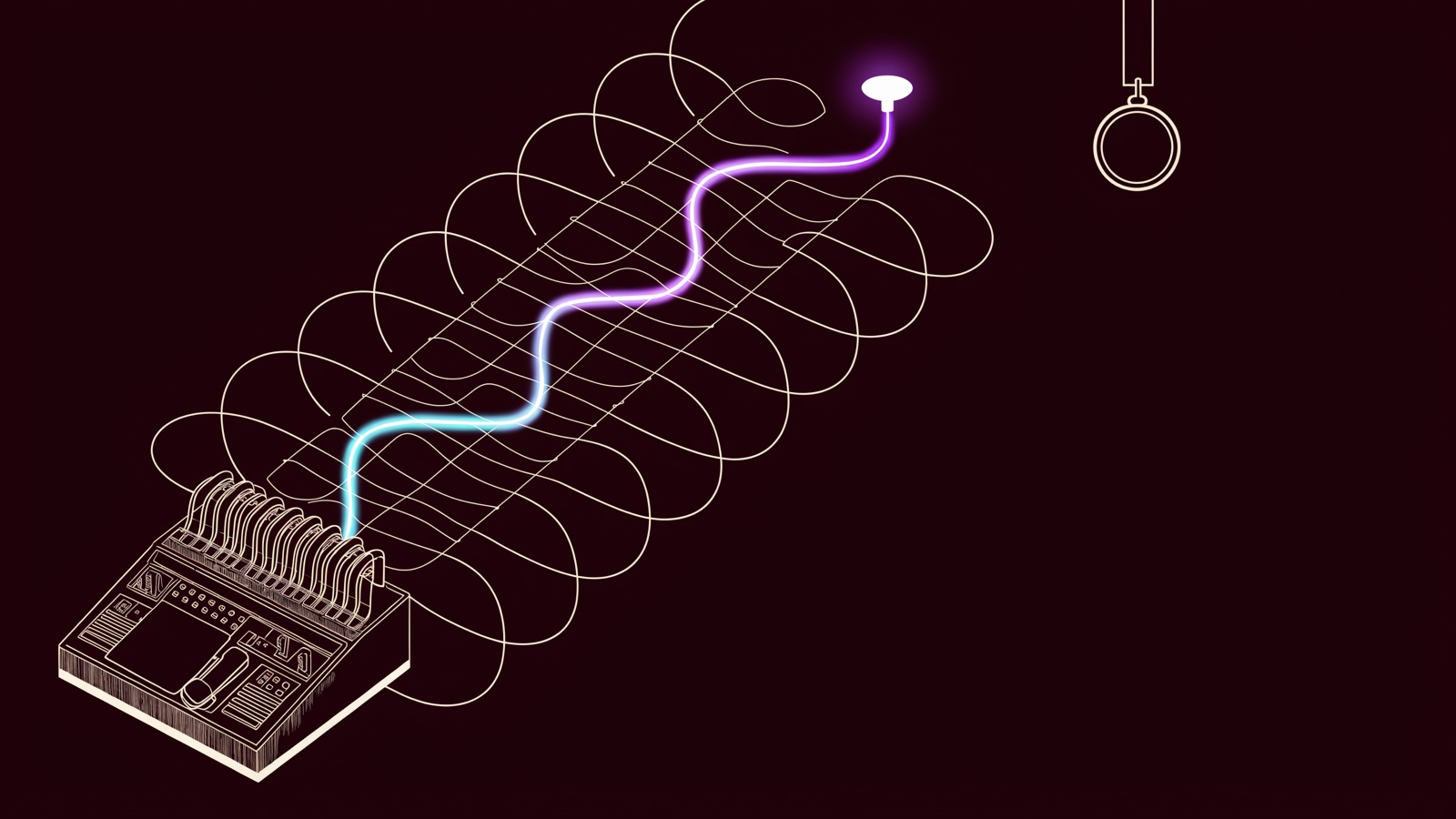
The Manifest award still matters as proof. It shows CIENCE mastered the phone-powered model before graph8 rebuilt the architecture and CIENCE shifted to delivering the outcome through an engineered GTM system.