
Last Refreshed: March 2026 with updated statistics and tool information.
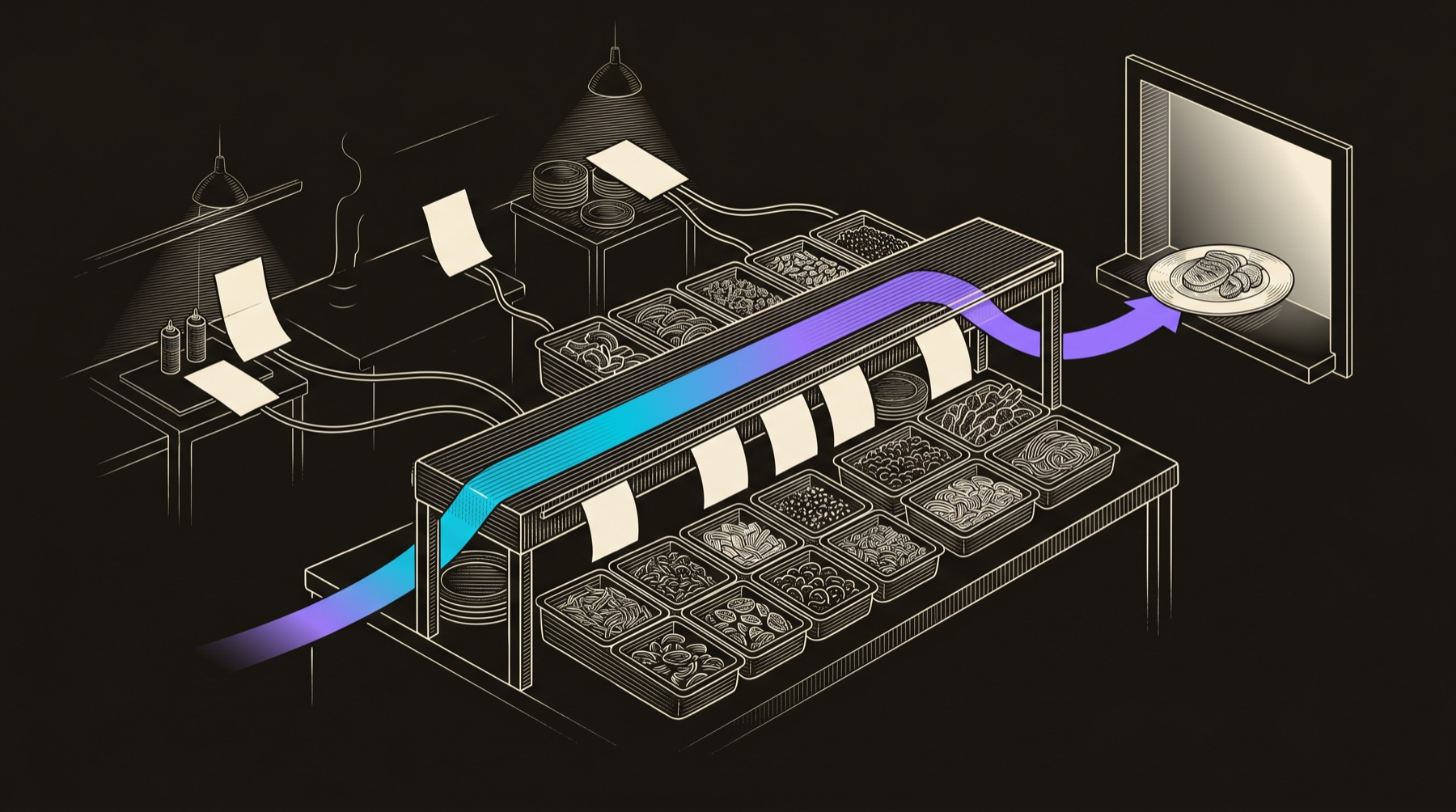
Data orchestration is the process of automating and coordinating data flow across multiple sources, systems, and applications to streamline pipelines and improve decision-making. According to Alluxio, the data landscape experiences significant shifts approximately every three to eight years. This means the tools and techniques we rely on today will inevitably evolve, and new paradigms will emerge.
From Daniel Conn, GTM Strategist, graph8: "Most pipeline problems aren't a sales problem: they're a data problem. When your contact records are stale, your enrichment is mismatched, and your systems aren't talking to each other, no amount of outreach volume will fix your conversion rates. Get the data foundation right first."
Data orchestration plays a pivotal role in smoothly integrating disparate data sources, systems, and applications, enabling organizations to derive maximum value from their data assets. By implementing effective orchestration practices, you can streamline data workflows, improve data quality, and facilitate efficient data integration for improved decision-making in your business.
Throughout this guide, we will explore key concepts, best practices, and advanced techniques in data orchestration with the top tools to optimize your data management processes.
What Is Data Orchestration?
Data orchestration refers to managing and coordinating data flow across various sources, systems, and applications. It plays a crucial role in ensuring the efficient operation of data pipelines, where data is collected, transformed, and delivered to its intended destinations.
This orchestrated approach eliminates the complexities of manual data management, allowing your organization to streamline processes to achieve optimal data governance. It involves data integration, transformation, scheduling, and monitoring, all from a centralized location.
Data orchestration also encompasses database orchestration, which focuses on managing and optimizing this performance in the data pipeline. By automating and harmonizing these processes, data orchestration supports your business to its full potential, enabling advanced data analytics and machine learning applications to boost your sales performance.
Data orchestration vs. data integration
Data orchestration and data integration are distinct yet interrelated concepts in data management. Here's a concise comparison of the two:
| Data Orchestration | Data Integration | |
|---|---|---|
| Focus | Managing the entire data pipeline: movement, transformation, and monitoring | Combining and unifying data from different sources for consistency |
| Scope | End-to-end pipeline coordination including scheduling and monitoring | Schema alignment, conflict resolution, and unified data model creation |
| Examples | Coordinating ETL processes; automating real-time data streaming into a centralized system | Integrating customer data from multiple platforms into a single database; consolidating sales data into a warehouse |
Get Data Orchestration Solutions Now!
Data orchestration vs. ETL
Data orchestration and extract, transform, load (ETL) are fundamental processes in managing and integrating data with a few distinct differences:
| Data Orchestration | ETL (Extract, Transform, Load) | |
|---|---|---|
| Focus | Managing overall data flow and coordination across systems | Extracting, transforming, and loading data during integration |
| Scope | Entire pipeline: collection, transformation, scheduling, and monitoring | Data movement and transformation as primary goal |
| Examples | Orchestrating real-time streaming into a data lake; coordinating ingestion, cleansing, data enrichment, and analysis | Transforming customer data into a standardized CRM format; pulling sales data from multiple locations into a warehouse for analysis |
Support Your Business with Data Orchestration
What Are the Benefits of Data Orchestration?
With its effortless coordination and management of data workflow, data orchestration can bring many benefits to your organization. Here are some of the top advantages of data orchestration for your business:
1. Accurate customer profiling
With a strong data orchestration framework, you can gather, integrate, and analyze customer data from multiple sources to create complete and accurate customer profiles. Your business will be able to gain deeper insights into customer preferences, behaviors, and demographics by orchestrating the data collection and consolidation process.
2. Capitalization of the total addressable market (TAM)
With the help of data pipeline orchestration, your organization can accurately identify and use TAM to its fullest potential:uncover new growth opportunities, expand into untapped markets, and deploy targeted go-to-market programs. In addition, by understanding your TAM more completely, you can avoid missing out on valuable accounts that may have been overlooked due to flawed matching functions.
3. Significant cost savings
With the global cloud computing market projected to surpass $1 trillion by 2028, businesses need efficient and cost-effective solutions to stay competitive. Database orchestration helps reduce expenses related to multiple software licenses and reduces storage costs, creating valuable savings. Additionally, it creates efficiencies for your go-to-market teams, allowing them to accomplish more without additional full-time employees.
4. More ROI attribution
Achieving an accurate return on investment (ROI) attribution is a critical goal to measure and optimize the impact of your marketing campaigns. Data orchestration platforms expedite this process by providing high-quality data and enabling automated workflows. This supports you to accurately attribute conversions, revenue, and key metrics to specific campaigns.
5. Industry and government compliance
Your company can significantly reduce the risk of hefty fines associated with non-compliance. Data orchestration enables organizations to configure all connected systems to adhere to data and privacy regulations. This ensures complete compliance by opting out of an individual's specific email address and considering their entire profile across all data platforms or instances.
6. Better conversion rates
Clean and complete data, facilitated by data orchestration, is necessary in achieving this goal. According to recent statistics, mobile devices have a conversion rate of 2%, while desktops boast a slightly higher rate of 3%. By working with accurate and complete data through effective data orchestration practices, you'll be able to enhance your inbound lead generation, resulting in more qualified meetings and faster progression of prospects throughout the buyer's journey.
7. Data-driven decision-making
Whether it's sales, marketing, finance, or operations, data orchestration enables continuous data integration and accessibility, allowing your sales and marketing teams to rely on data-driven insights when making critical decisions. With orchestrated data, you can foster a culture of informed decision-making, leading to improved outcomes, increased efficiency, and a competitive edge in the market.
8. Campaign personalization
By using a complete customer view and utilizing tools provided by data orchestration, you can create highly customized campaigns that address your audience's unique needs and preferences. This personalized approach enhances brand engagement, builds trust, and increases the likelihood of conversions. With data orchestration fueling your campaign personalization efforts, your teams can achieve greater success in capturing the attention and customer loyalty of your target audience.
9. Sales and marketing alignment
With a well-orchestrated data infrastructure, sales and marketing teams can trust the data within their CRM and use it as a system of insight to achieve their respective goals. This alignment enables better collaboration, improved lead management, and more effective targeting and messaging. With data orchestration enriching sales and marketing alignment, you'll be able to optimize your go-to-market strategies and drive better business outcomes.
Get the Benefits of Data Orchestration
3 Steps to Mastering Data Orchestration
To perfect the art of data orchestration, organizations need to follow a strategic approach that encompasses best practices. Here are the fundamental steps to B2B data orchestration:
1. Organize.
Organizing complex data is a crucial aspect of successful data orchestration. Before data orchestration tools can effectively manage data, your teams must understand and organize your existing and incoming data.
Your company may have data scattered across various sources, including legacy systems, cloud-based tools, data warehouses, or data lakes. It is essential for data orchestration tools to access and comprehend its type of data and origin. This enables efficient data integration, enhances data quality, and permits your organization to make informed decisions based on a unified and well-organized data ecosystem.
2. Transform.
Data orchestration tools excel at taking data in various formats and standardizing it into a unified format. This transformation eliminates manual data reconciliation, saving valuable time and effort. For instance, a seemingly simple data element like a date can be collected and stored differently across systems.
One system may use "January 21, 2023," while another may adopt the numerical format "01212023." Such disparities can hinder data analysis, making it time-consuming or incomplete. Transforming your data allows you to conduct faster and more accurate sales intelligence by using the full potential of your data.
3. Activate.
Activating orchestration transmits data to tools utilized by your company. This ensures that the necessary data is readily accessible, eliminating the need for time-consuming data loading. One unique technology that can benefit from data activation is artificial intelligence (AI). These tools can receive the required data in real time, enabling sales and marketing teams to perform their tasks more effectively.
5 Top Data Orchestration Tools
Data orchestration is of top importance in managing and optimizing data pipelines. Let's explore some of the best data orchestration tools that allow your business to efficiently handle your data and improve sales performance:
 graph8 Platform
Best forB2B teams that need sales intelligence and activation in one GTM system
graph8 connects data orchestration to live execution. CIENCE delivers the human work on top when the team wants the managed system.
The graph8 platform is a leading sales intelligence and data orchestration solution that excels in streamlining B2B data workflows. With its powerful data integration capabilities, businesses can connect and synchronize data across various systems, eliminating silos and ensuring accuracy.
graph8 automates data integration and transformation processes, freeing up time for teams to focus on deriving insights. Real-time data activation enables timely analysis and decision-making. Trusted by 2,500+ clients across 250+ industries and rated 4.6/5 on Capterra.
Features:
- Data integration
- Real-time data activation
- Automated data transformation
- Intuitive configuration
- Streamlined data workflows
Price:
- See full pricing: graph8 self-serve plans are Free, $25/mo, and $99/mo. Full CIENCE + graph8 GTM system pricing is $5,000 one-time setup, $2,499/mo strategic execution, and $499/mo platform. No long-term contracts.
"CIENCE enriched over 1 million contact records for Okta, aggressively scaling their lead generation with accurate, actionable data at enterprise scale."
 Azure Data Factory
Best forMicrosoft cloud teams building scheduled and real-time data pipelines
A strong fit when the data stack already lives in Azure and the team needs ETL, scheduling, and service integration.
Azure Data Factory stands out as one of the best data orchestration tools available, offering a range of features that help organizations manage their data workflows efficiently. With its intuitive interface and capabilities, Azure Data Factory simplifies integrating, transforming, and orchestrating data from various sources.
In addition, the tool allows users to create and schedule data pipelines, ensuring smooth data flow between systems and enabling real-time data activation.
Features:
- Data integration
- ETL processes
- Data orchestration
- Scalability and resilience
- Integration with Azure Services
Price:
- Available by request
Control-M
Best forEnterprises with complex job dependencies and strict scheduling control
The operations-heavy choice for central scheduling, alerts, dependency management, and governed workflow control.
Control-M emerges as one of the top data orchestration tools, offering strong features that allow businesses to manage their data workflows efficiently. With its complete capabilities, Control-M simplifies the orchestration of complex data pipelines by providing a centralized platform for scheduling, monitoring, and automating data-driven processes.
In addition, its user-friendly interface allows users to quickly define dependencies, set up workflows, and ensure timely execution of data tasks.
Features:
- Advanced scheduling
- Workflow automation
- Monitoring and alerting
- Integration capabilities
- Job dependency management
Price:
- Available by request
Flyte
Best forData and ML teams that want workflows defined in code
A developer-oriented orchestrator for scalable pipelines where versioned workflows and repeatable execution matter.
Flyte is another leading data orchestration tool, offering a strong solution for managing and automating data workflows. With its intuitive design, Flyte simplifies the complexities of data orchestration by providing a scalable and reliable platform. It allows users to define, execute, and monitor data workflows, ensuring smooth data processing and efficient resource allocation.
In addition, Flyte's flexibility enables integration with various data sources and services, facilitating connectivity and enabling organizations to use their existing data infrastructure.
Features:
- Workflow management
- Scalability and reliability
- Monitoring and visualization
- Integration with data ecosystem
- Extensibility and customization
Price:
- Available by request
Astronomer
Best forTeams standardizing on managed Apache Airflow
A practical route for Airflow teams that want managed deployment, monitoring, alerting, and collaboration around DAGs.
Astronomer offers a complete solution for managing and automating data workflows, making it easier for organizations to handle complex data pipelines. It provides a user-friendly interface and features that simplify defining, scheduling, and executing data workflows. The platform also offers monitoring and alerting functionalities, providing real-time visibility into workflow performance and facilitating proactive troubleshooting.
Features:
- Workflow automation
- Scalability and performance
- Easy integration
- Monitoring and alerting
- Collaboration and version control
Price:
- Available by request
Bad data doesn't just waste budget: it trains your team to accept poor results as normal. Clean intelligence changes everything.
Streamline Your Data Orchestration
Data orchestration offers many innovative tools that can revolutionize how organizations manage and use their data. As you consider your data orchestration needs, take a moment to reflect on the challenges you face, the goals you aim to achieve, and the specific features that align with your business requirements.
By carefully selecting the right data orchestration tool, you can unlock the true potential of your data, streamline your workflows, and make informed decisions that drive your business forward. Embrace the power of data orchestration, and let it enable you on your journey to sales success.
"The CIENCE team is aggressive in generating leads and continuously fine-tunes campaigns for success. Their expertise has been a game-changer for us.": Russell DeSalvo, VP of Sales
CIENCE + graph8 pricing: $5,000 one-time GTM system setup, $2,499/mo strategic execution, and the graph8 platform at $499/mo. No long-term contracts. See full pricing to
Whether or not you decide to work with us, you'll walk away with a clear picture of where your pipeline is leaking and what it would take to fix it.
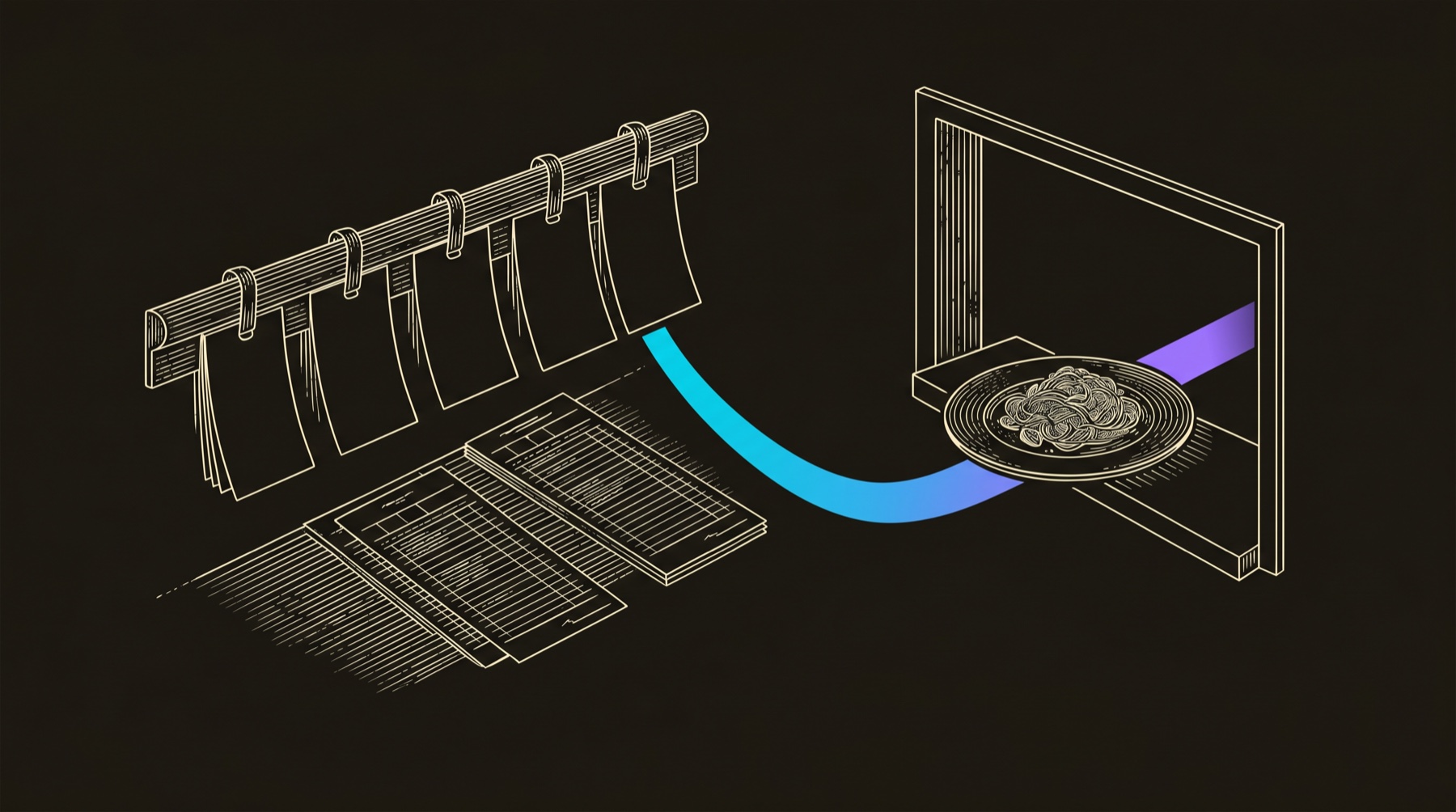
When orchestration is working, the data does not sit in separate trays. It moves through the pass, gets checked, and reaches the team ready to act.
Frequently Asked Questions
What is the difference between data orchestration and ETL?
Data orchestration manages the entire data pipeline lifecycle, including scheduling, monitoring, and coordination across multiple systems. ETL (extract, transform, load) is a specific subset focused only on moving data from source to destination. Orchestration encompasses ETL as one of many coordinated processes.
How long does it take to implement data orchestration?
Implementation timelines vary based on complexity, but most organizations can set up basic orchestration with tools like Apache Airflow or Azure Data Factory within 2 to 4 weeks. More complex enterprise deployments with multiple data sources and custom transformations typically take 2 to 6 months.
Do small businesses need data orchestration?
Small businesses with data spread across 3 or more systems can benefit significantly from orchestration. Even lightweight tools like Flyte or Astronomer can automate manual data tasks, reduce errors, and save hours of weekly work. The ROI becomes clear once teams stop manually moving data between platforms.