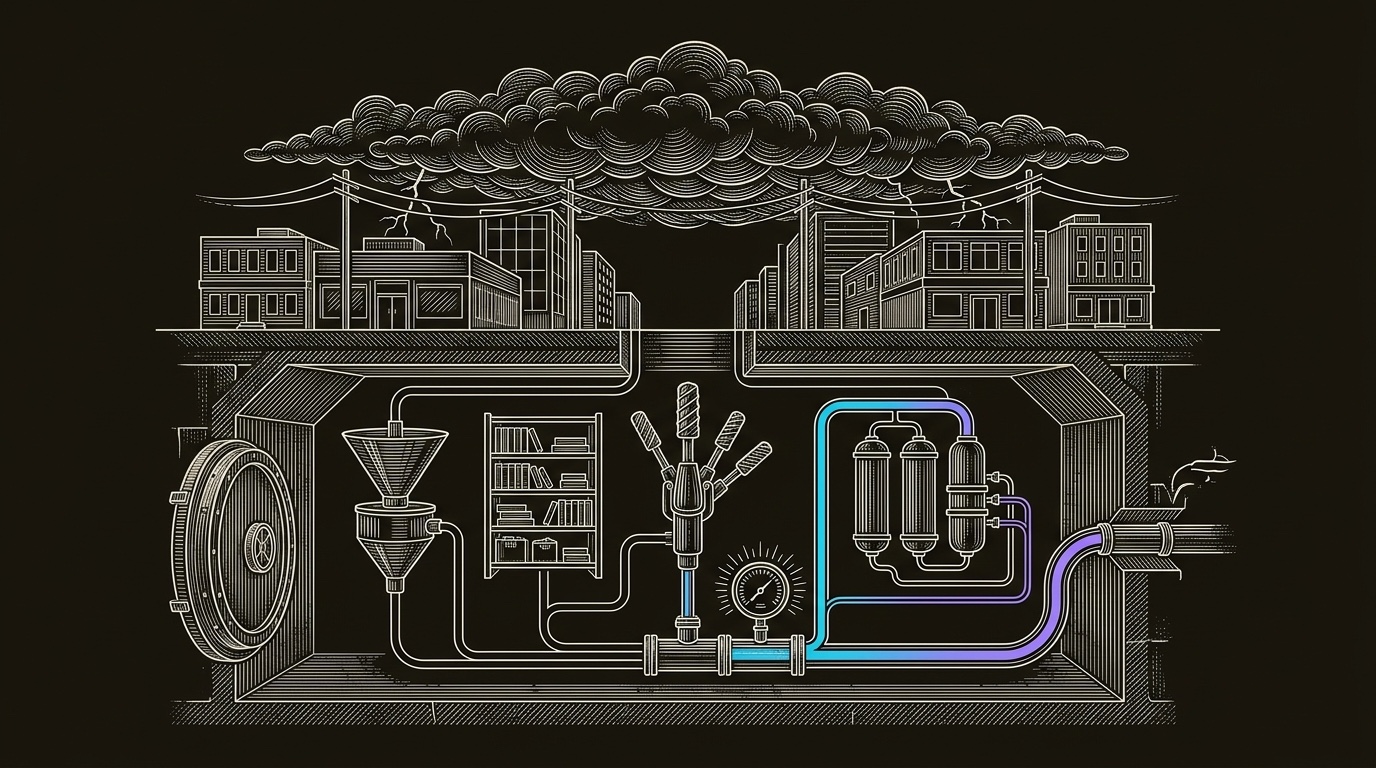

Recession-proofing your business means strengthening outbound sales practices, optimizing data quality, and focusing on proven markets rather than risky experiments -- strategies that historically perform well during economic downturns. A new recession is filling the skies with gray clouds, and everyone can feel the static crackling in the air. "How to prepare for recession 2023" is quickly becoming a top search query on Google Trends, meaning that U.S. citizens are beginning to wonder how their everyday life will be affected in the following months.
From Thomas Cornelius, Founder & CEO, graph8 (formerly Founder, CIENCE): "Every recession separates the companies that built real pipeline infrastructure from those that relied on market momentum. The ones who come out ahead invested in outbound systems before the downturn: not after it hit."
Last Refreshed: March 2026: Updated with graph8 platform references, current pricing, and GTM strategy guidance for today's economic environment.
That said, the American economy is no toddler when it comes to dealing with this kind of situation. According to data provided by the National Bureau of Economic Research, the U.S. stock market has been in recession 14% of the time since World War II.
CBS economists suggest that the current episode is derived from the impact of rising interest rates, high inflation, and energy cost related to the war in Ukraine and a slowdown in China's economy. Therefore, it is possible to claim that we might be entering a hibernation state, also known as a bear market.
As the B2B environment approximates economic turmoil with a "when not if" approach, now is a great opportunity to take a closer look into the plausible impacts coming our way, what companies can do to withstand them, and how to take advantage of a recession.
How to Survive a Bear Market
Bear territory can be a scary place if a company is not prepared. The reason why this is such a threatening state is that bear markets tend to bring along high unemployment rates and economic recessions. However, sharp investors have found ways to profit in a bear market by taking advantage of the drop in stock prices.
Colloquially, a bear market can be taken as Wall Street slang applied when an index like the S&P 500, the Dow Jones Industrial Average, or even an individual stock, has fallen 20% or more from a recent high for a sustained period of time.
According to Investopedia, the immediate cause of the upcoming bear market is a mix of the ongoing COVID-19 pandemic effects on the world economy and a sudden price war in oil markets between Saudi Arabia and Russia.
Frightening as it is, the American economy has endured plenty of bear attacks throughout history:
- There have been fourteen registered bear markets between April 1947 and April 2022.
- The shortest bear market lasted one month and the longest lingered for 1.7 years.
- The severity levels go from a 51.9% drop to a decline of 20.6% in the S&P 500.
Contrary to the bull market context, characterized by optimism, investor confidence, and expectations that strong results will continue, the current bear market is warning us about the upcoming storm. Thankfully, there is still enough time for businesses to fortify their strategies.
How to Survive a Recession
At CIENCE, we've spent considerable time analyzing the potential impact of a recession on businesses and developing a B2B marketing playbook that allows companies to react effectively.
Our analysis indicates that, while it's true that many marketing departments will slow down or even cease their operations out of fear, a meaningful share of smart marketers will look at it as a favorable circumstance to differentiate their brands from the competition.
Recession's direct effects on B2B companies
Surviving a recession is no simple business. According to Marketing Charts, pipeline growth remained the number one problem in 2022. Sales and operations leaders also mentioned the following pain points:
- Building/staffing teams
- Expanding addressable market
- Accelerating digital transformation
- New tech stack investments
Here are some other relevant insights that CIENCE has derived from past downturns and recessions on what to expect from this impending situation:
- The need to demonstrate marketing ROI will become more pressing.
- There will be an increase in advertising spending during the recession.
- Identifying and targeting the right decision-makers will be more difficult.
- Account-based marketing strategies will become a top priority.
- Fewer "sales-ready" leads will be entering the pipelines.
- The B2B sales cycle during a recession will be longer: leads take longer to close.
However, turmoil is a constant recurrence in the market. Jeff Sommer, economist and editor at the New York Times, predicts: "If the future is anything like the past, it is highly likely that the economy will grow over the long term and that financial markets will produce handsome returns for the patient, diversified investors."
The effects of a recession on small businesses might not be as severe as the ones threatening the bigger brands. However, a Bloomberg report confirms that economists expect one to begin in mid-2023. The best thing B2B companies can do at the moment is to refill their emergency supplies, keep their workforce's spirits high, and trust that their bases will hold steady.
How to overcome a recession with B2B marketing
There is no way around it: The pressure for B2B marketers will rise. High-end prospects are now more informed of how their data footprint works and how data-based lead generation strategies take advantage of it. With the recession breathing on everyone's neck, it will be even harder for your sales development representatives (SDRs) to access a pitch call.
Let's not forget that all brands are sitting on the same bench, meaning that the sharpest marketers will keep on finding ways to make the current state of affairs work to their advantage.
Sales and marketing experts at CIENCE have tested and confirmed that a great way to knock down the "not-now" wall the most nervous prospects are already building is to establish your brand in the following ways:
- Credibility. Assist your clients by objectively examining the reality. This usually means working with solid databases that back up whatever strategy is about to be tested; instincts and feelings should be left aside when making important decisions in business.
- Reliability. Connection is the name of the game. Constant, direct, and clear feedback from both sides should be a priority for everyday communication. The left hand knows what the right hand is up to and vice versa. Be open to inviting your clients to other social circles that may provide them with valuable business opportunities during a recession.
- Intimacy: Outbound should feel and flow like inbound. During this time of turmoil, closing a deal is more like starting a relationship. Both parties want the opportunity to archive success, and this will only be possible by joining forces in an authentic, passionate, and responsible matter.
5 Ways to Manage Business During a Recession
There are numerous approaches that companies can take to mitigate the risks before and during a recession. Follow these five tips to strengthen your business during these times:
1. Focus on your market.
Now is not the time for risky experiments. Companies should stick with what they know. The more familiar you are with the industry and the strategies that have worked in the past, the better.
Qualify once more the prospects you hold on your target account list and confirm they are on the right tier. Start designing and sharing recession-related content so they know you are there for them.
2. Set accurate goals.
Be careful not to put too much pressure on the shoulders of your SDRs. A great technique to keep them sharp and steady is to craft monthly goals that represent the reality of the market.
Sales teams will become vital to your survival, so you may even want to consider outsourcing SDR teams to achieve your business goals.
3. Optimize your outbound tools.
While you don't want to abandon your inbound strategies, it will be outbound practices that will allow you to keep on closing new deals.
Cold calling scripts, personalized emailing templates, social media connections, landing pages, remarketing ads, content syndication, and all other lead generation efforts should be enhanced and tested to ensure top performance.
4. Prepare your data.
Do you trust your data? If not, now is the time to integrate every data enrichment tool possible to help your team to score their leads better, predict deals faster, and have a crystal-clear view of your prospects' behavior.
5. Use third-party data partners.
High-quality data will be harder to get, and your sales and marketing teams will need it as fuel to continue their operations. Intent data strategies are already crucial for identifying the buyer stage of digital prospects, and third-party data providers grant you access to valuable information that is collected across the web.
CIENCE's B2B data platform offers access to over 300 million verified lead records across all industries. CIENCE validates the quality, freshness, and accuracy of every segment while providing targeted insights for third-party data integration: giving your team the fuel to keep pipeline moving even when the market pulls back.
"CIENCE generated 60% of our early sales pipeline. When we needed to accelerate growth fast, having a dedicated outbound engine made the difference.": Armatic, FinTech
Still scaling headcount to scale pipeline? There's a faster, more predictable way to build revenue.
Recession-Proof Your Business
Knowing how to survive a recession and thrive afterward is something companies have successfully done in the past. CIENCE's market analysis indicates that outbound lead generation practices are resilient in recessions, which makes them a trustworthy set of tools that B2B decision-makers should prioritize in the upcoming months.
Executives, analysts, and other high-ranked members of your workforce must come together and assemble a bear market scenario for the future. Design a game plan that focuses on consistent profits instead of your standard revenue, for endurance means victory in the long haul.
At the end of the day, there are enough reasons to remain optimistic. This recession will be just one more feat to conquer, and with so many resources, platforms, and partners at hand, there is no excuse to come out successful on the other side. See you there!
Survive a Recession with CIENCE
"CIENCE helped us set over 190 appointments directly connected to new business. When you're trying to grow in a competitive market, having a reliable outbound engine changes everything.": Stage 1 Financial
CIENCE + graph8 pricing: $5,000 one-time GTM system setup, $2,499/mo strategic execution, and the graph8 platform at $499/mo. No long-term contracts. See full pricing to
Whether or not you decide to work with us, you'll walk away with a clear picture of where your pipeline is leaking and what it would take to fix it.
The point is not to wait out a recession. It is to keep the outbound system alive while competitors pull back.
Frequently Asked Questions
Should companies cut marketing budgets during a recession?
No. Research consistently shows that companies that maintain or increase marketing spend during recessions gain market share and recover faster. While competitors pull back, your brand has less noise to compete with. Focus spending on high-ROI outbound channels and data-driven campaigns rather than cutting budgets across the board.
How long do recessions typically last in the United States?
Based on data from the National Bureau of Economic Research, the 14 bear markets since WWII lasted between 1 month and 1.7 years, with S&P 500 declines ranging from 20.6% to 51.9%. The average U.S. recession lasts about 10 months. Markets historically recover and reach new highs within 1-3 years after a downturn.
What is the best sales strategy during an economic downturn?
Outbound lead generation consistently proves resilient during recessions. Focus on your existing ideal customer profile, qualify prospects rigorously, and lean into personalized outreach that demonstrates credibility and genuine value. Use intent data to identify the accounts still actively buying, and prioritize relationship-building over high-volume cold outreach.