Last Refreshed: March 2026: updated agency-to-platform narrative, added Forward Deployed Engineer model context, refreshed pricing and proof data.
CIENCE ranked #18 on Adweek's 75 Fastest Growing Agencies with a 245% three-year revenue growth rate, earning recognition as the third fastest-growing large agency in the entire ranking. Out of thousands of agencies across the U.S. and internationally, CIENCE earned a top-twenty spot based on verified revenue growth from 2019 to 2021. We were growing fast as an agency. But we were already building something smarter: and the agency model was the ceiling we needed to break through.
What the Adweek Ranking Taught Us
The 245% three-year growth rate that earned us #18 on Adweek's list was part of a larger pattern. The Financial Times had placed us #95 on their Americas' Fastest-Growing Companies list with an 816.6% absolute growth rate. We'd been named to the Inc. 5000 four consecutive years, with 668% three-year revenue growth. Clutch ranked us #9 in sustained growth and #40 in fastest growth in their top 100.
Every signal said the same thing: CIENCE was one of the fastest-growing companies in B2B services. But Adweek's framing was the most revealing: they called us an "agency." And that label crystallized what we needed to change.
Agencies scale with people. More clients mean more teams. More campaigns mean more headcount. The 245% growth that impressed Adweek was built on a foundation of hiring, training, and deploying human SDR teams at a pace that couldn't sustain itself. We were growing fast, but we were growing in the most expensive way possible.
Does This Sound Familiar?
If you're buying outbound sales development: whether from an agency, an outsourced provider, or your own in-house team: you're living this math. Every new campaign requires more people. Your cost per meeting is climbing because the B2B lead generation model hasn't fundamentally changed, even as buyer behavior has transformed.
Your SDRs are sending more cold emails into more crowded inboxes. Response rates are falling. The AI tools you've added help at the margins but don't fix the core problem: the delivery model is human-powered and linear in a market that demands machine-powered and exponential.
You're paying agency rates for a service that gets more expensive every year and delivers fewer results. The agency model: for lead gen, for SDR outsourcing, for outbound: has hit its structural ceiling.
"Working with CIENCE increased our monthly appointments over 500%.": Silicon Valley Insight
If your sales development costs keep rising but your pipeline stays flat, you're not underinvesting: you're investing in the wrong model.
From People to Platform
Growing smarter as a platform meant leaving the agency model behind. When CIENCE became a graph8 company, we replaced agency-style delivery with something fundamentally different: Forward Deployed Engineers for go-to-market.
Think of how Palantir works. They don't send consultants. They embed engineers: Forward Deployed Engineers: who bring proprietary AI technology and domain expertise directly into client environments. Graph8 applies that exact model to sales development and pipeline generation.
Instead of a pod of SDRs following scripts, you get a Forward Deployed Engineer who deploys graph8's AI platform against our database of 300M+ validated lead records. They build multichannel campaigns across email, LinkedIn, phone, and programmatic advertising, and optimize continuously based on conversion data: not agency gut instinct.
The 245% growth rate that earned us an Adweek ranking was impressive. But graph8's model is designed to grow without the linear headcount that agencies require. Cost-per-meeting drops 40-60% in the first two quarters because the platform does what used to require a room full of people.
"The CIENCE team is aggressive in generating leads and continuously fine-tunes campaigns for success.": Russell DeSalvo, VP of Sales
Why This Matters Now
In 2026, the distinction between "agency" and "platform" defines your pipeline economics. Agencies charge for time and headcount. Platforms charge for results and use. CIENCE, as a graph8 company, operates as a platform: which is why our clients' costs go down over time instead of up.
We've served 2,500+ clients across 250+ industries. We hold the #1 position on Clutch's lead generation list for three consecutive years, maintain a 4.6/5 rating on Capterra, and have 200+ verified reviews. The growth that Adweek recognized hasn't slowed: but the model powering it has fundamentally changed.
Engagements start at $5K one-time setup + $2,499/mo. Compare that to agency rates of $12K-$20K/mo for a single SDR. You get a Forward Deployed Engineer backed by graph8's AI infrastructure. And the platform gets smarter with every campaign it runs.
We grew fast as an agency. We grow smarter as a graph8 company.
"Sixty percent of our early sales revenue came directly from CIENCE campaigns: they became the backbone of our go-to-market in year one.": Armatic
Get a Free GTM Diagnostic
When you reach out, our Forward Deployed Engineers run a full diagnostic on your targeting, channel mix, and conversion rates. No agency pitch: just engineering analysis. They'll show you your true cost-per-meeting, where your funnel is leaking, and how graph8's platform would change the numbers.
Whether or not you work with us, you'll walk away with a clear picture of your pipeline math.
Frequently Asked Questions
What was CIENCE's ranking on the Adweek Fastest Growing Agencies list?
CIENCE ranked #18 overall on Adweek's 75 Fastest Growing Agencies list and was recognized as the third fastest-growing large agency, with a 245% three-year revenue growth rate from 2019 to 2021. The company also appeared on four consecutive Inc. 5000 lists with 668% overall growth.
What's the difference between an agency model and graph8's platform model?
In the agency model, scaling requires proportionally more headcount: more SDRs, more managers, more overhead. Graph8's platform model deploys Forward Deployed Engineers backed by AI infrastructure and 300M+ validated lead records, delivering pipeline at a fraction of the cost. Clients see cost-per-meeting drop 40-60% because the platform replaces manual volume with intelligent precision.
How much does CIENCE cost compared to a traditional lead gen agency?
CIENCE engagements start at $5K one-time setup + $2,499/mo, compared to typical agency rates of $12K-$20K/mo per SDR. You work with a Forward Deployed Engineer backed by graph8's AI platform, data infrastructure, and multichannel execution including digital advertising.
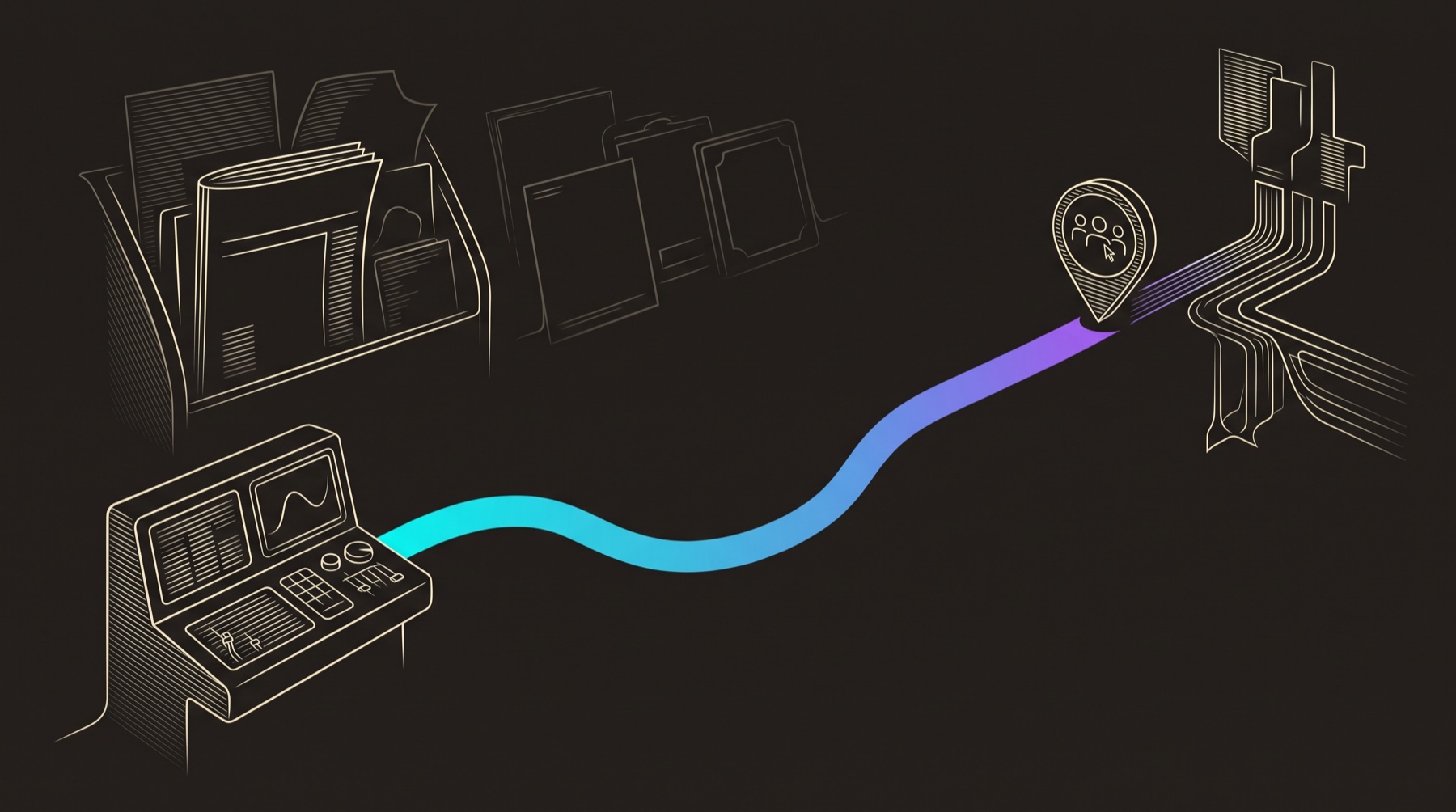
The Adweek ranking remains proof of execution. The next chapter changes the operating model: graph8 runs the system, CIENCE delivers the outcome, and the agency shelf gives way to a live pipeline machine.