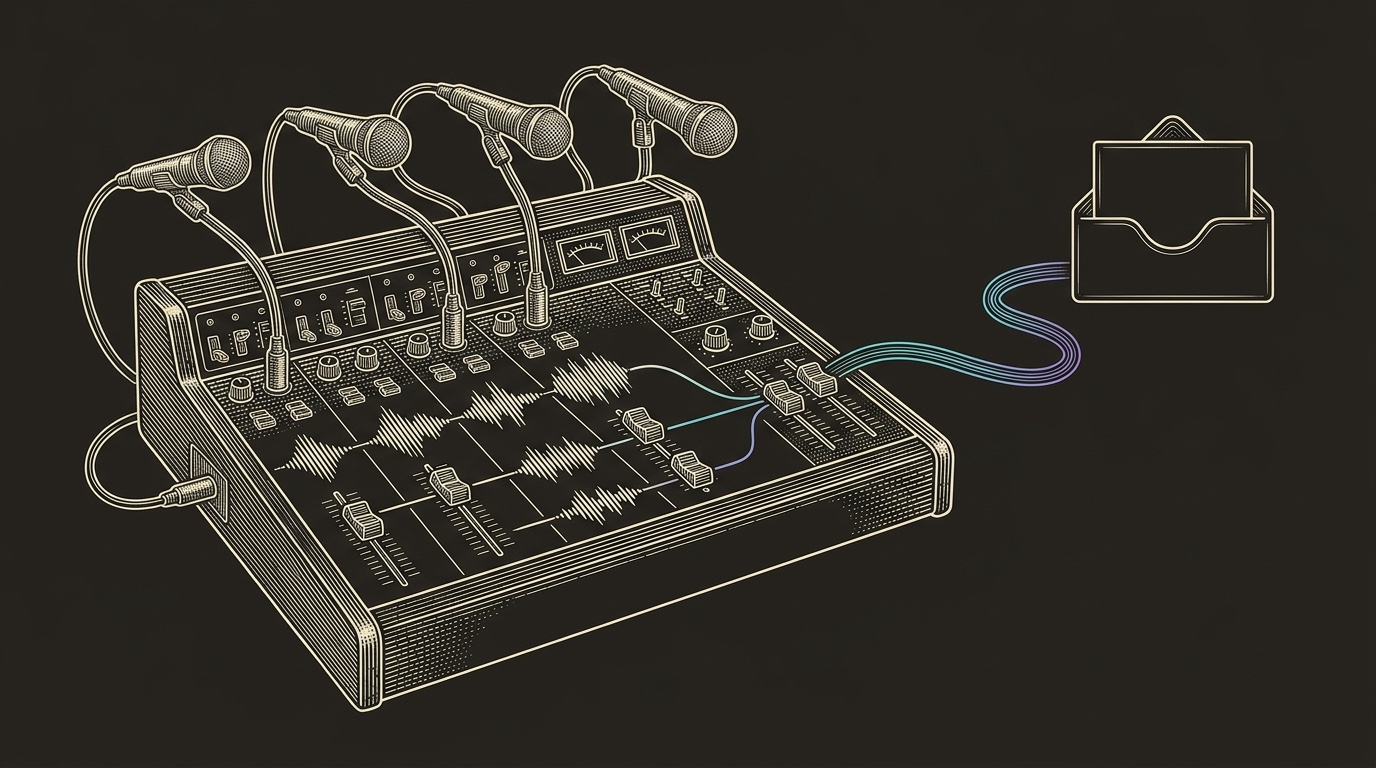

Email marketing strategy for B2B sales requires mastering messaging frameworks, neuroscience-backed design, and psychological triggers. With over 306 billion emails sent daily, standing out demands a science-driven approach. If you've ever wondered how some sales emails get opened and responded to instantly while others languish in the inbox, you're not alone. The problem isn't volume. It's that most emails are written for the sender's brain, not the recipient's. Email marketing has become more sophisticated, which ironically hurts engagement: the more polished the template, the more it looks like every other polished template. The experts who've joined us on The Enterprise Sales Development Podcast have cracked what actually works.
Last Refreshed: March 2026. Updated expert attribution, fixed dead links, added client proof, and graph8 platform stats.
We've culled four podcast episodes for anyone looking to master email marketing. These conversations provide proven strategies that reflect the latest trends and address the most common challenges in B2B email outreach.
Ep 60: Brenden Dell, Sales Messaging and Positioning Hacks
Brenden Dell is a messaging expert and author of "The 12 Immutable Laws of High-Impact Messaging." In this episode, he delivers a clear, actionable framework for crafting messages that cut through the noise and drive real results.
Brenden focuses on three critical questions essential for effective brand positioning and email messaging:
- Who is your target audience?
- What makes your brand unique?
- How will you communicate this distinctively?
These questions sound simple, but their answers determine whether your email gets a reply or gets archived. Answering them before writing a single word dramatically changes email marketing effectiveness.
This episode is a must-listen for anyone refining their email marketing strategy. Brenden's framework helps you build targeted, differentiated campaigns that speak directly to your audience.
As we move from Brenden Dell's strategic messaging insights to Dr. Carmen Simon's neuroscience-backed techniques, it's clear that email marketing intersects with multiple disciplines. Understanding the psychological underpinnings of effective communication makes the difference between a message that's read and one that's remembered.
EP 30: Dr. Carmen Simon, Best Practices of Cold Outreach from Dr. Carmen Simon
Dr. Carmen Simon is a cognitive neuroscientist, Stanford Continuing Studies instructor, and Chief Science Officer at Corporate Visions. She brings a rare scientific lens to cold email writing: how the brain actually processes the messages we send.
Dr. Simon guides us through more than just the fundamentals of crafting a compelling cold email. She delves into the cognitive processes that govern how we process and remember information. Her core insight: "The brain that creates some piece of communication is NOT the same brain that receives that communication," which has direct implications for how you write, structure, and sequence every email you send.
Key findings from her research:
- Reduce cognitive workload. Use readability tools (free ones exist) not to dumb down your message, but to ease the effort required to process it. Brains fatigue quickly. Every extra syllable has a cost.
- Clichés can help recall. The brain finds comfort in familiar patterns, and that comfort leads to greater attention and memory retention.
- Use contrast. "Contrast is literally a shortcut to thinking. And the sharper the contrast, the less thinking you then have to do."
"The moment we base our content on scientific principles, we can effectively engage an ever-evolving business brain," Dr. Simon advises. For sales professionals looking to sharpen email tactics, this episode is a practical guide to aligning your campaigns with the cognitive processes that actually drive engagement.
If your outbound is producing diminishing returns despite more tools and more reps, the problem isn't execution. It's architecture.
"CIENCE's outreach achieved a 12% reply rate and booked double-digit meetings every month, outperforming what our own account executives were generating." From Imagecraft.
Continuing into email marketing psychology, Episode 105 introduces a crucial element often overlooked: the human touch. In an era of automation and mass messaging, personalizing content and understanding the psychology behind email interactions have become key differentiators for successful campaigns.
EP 105: Johnnie Salimbene, Mastering Email Marketing with a Human Touch
Johnnie Salimbene, a business development leader at Connex One, takes a deep dive into the psychology that forms the backbone of effective email campaigns. He explores the 'how' and 'why' behind strategies that resonate with recipients, not just what to write, but why certain messages create genuine connection.
This episode delivers practical insight on the power of A/B testing as a window into your audience's psychology, the art of crafting emails that strike a chord, and why personal development plays a pivotal role in how you communicate your message.
Johnnie captures the approach: "It's all about delivering a message that's not just relevant, but psychologically attuned to your audience, followed by a call to action that speaks directly to their needs and interests."
Tune into this episode and start applying psychological principles to make your emails more compelling and effective.
Our final expert, Will Allred, brings a unique perspective: data from thousands of live sales emails combined with practical strategy. In a world where the average attention span is shrinking, simple, clear, and concise messaging has never been more important.
EP 27: Will Allred, Sales Email Strategies from the Co-founder of Lavender
Will Allred is the Co-founder and COO of Lavender, a widely-used email coaching tool for sales teams. He brings hard data, not just opinions, to B2B email deliverability and reply rates.
His most counterintuitive finding: "Most email replies are at a fifth-grade reading level. Understanding this involves looking at syllables per sentence, a key metric in this measurement." Out of 306 billion daily emails, the ones that get responses are overwhelmingly the simple ones.
Will also advises sales reps to drop the formal tone: "create a warm, friendly tone" which routinely outperforms cold formality that can come across as "robotic, stiff, and weird."
Will's methodology blends innovation with practicality, equipping listeners with immediately actionable advice. Listen now and start crafting emails that forge stronger connections with prospects.
CIENCE has applied these email principles across 2,500+ B2B clients in 250+ industries, earning a 4.6/5 rating on Capterra for the quality of outreach we deliver.
Grab More Insights with the ESD Podcast
Each episode of the Enterprise Sales Development Podcast is a gateway to mastering email marketing in an era where digital communication never stops evolving. Subscribe and join a community of forward-thinking sales professionals.
Subscribe on Apple Podcasts, Spotify, or your preferred platform.
"Working with CIENCE felt like having an in-house SDR team. They matched our messaging, understood our tone, and delivered consistent results." From Rocketrip.
CIENCE + graph8 pricing: $5,000 one-time GTM system setup, $2,499/mo strategic execution, and the graph8 platform at $499/mo. No long-term contracts. See full pricing to
Whether or not you decide to work with us, you'll walk away with a clear picture of where your pipeline is leaking and what it would take to fix it.
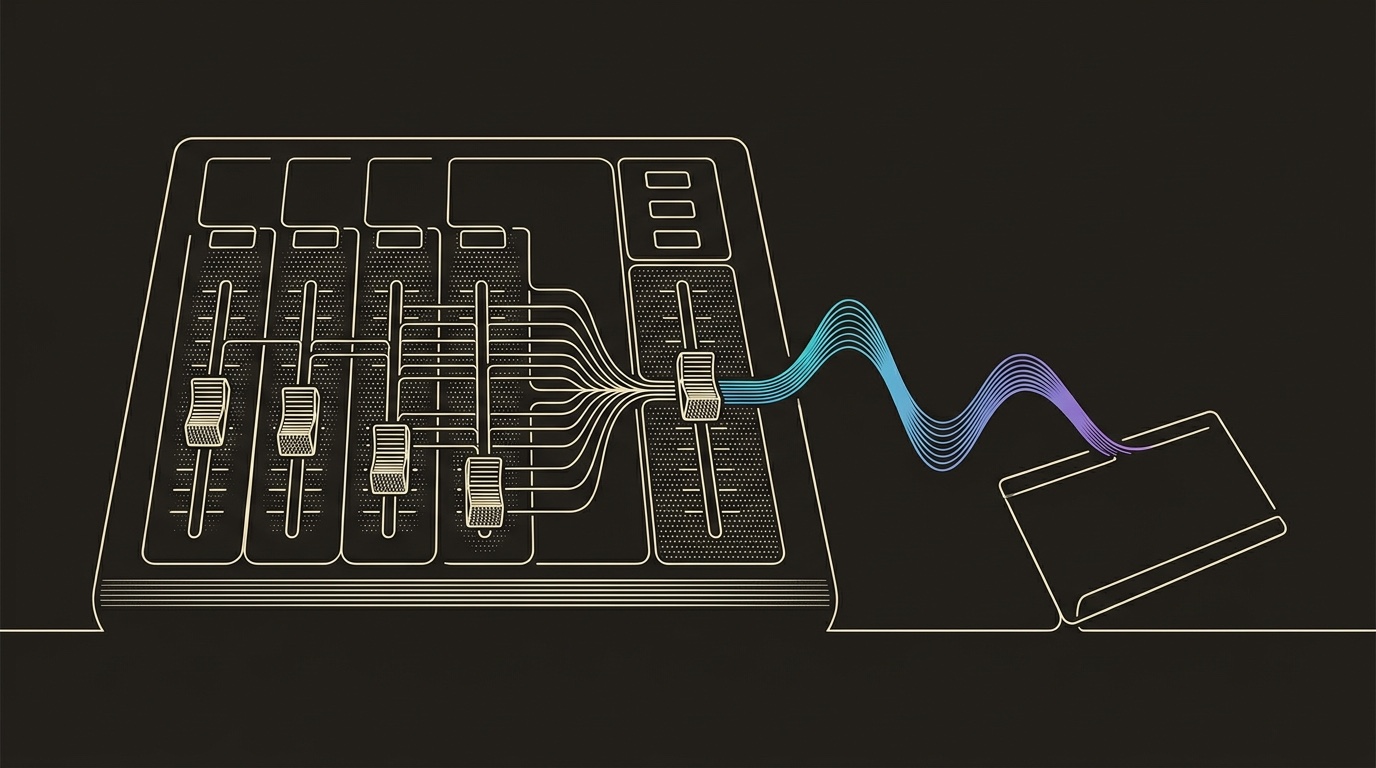
Four expert channels, one usable email signal: choose the audience, reduce the reader's workload, test the human touch, and write at reply level.
Frequently Asked Questions
What reading level should B2B sales emails use?
According to Will Allred, co-founder of Lavender, most email replies are written at a 5th-grade reading level. This does not mean dumbing down your message. It means reducing the cognitive workload on the reader's brain. Use short sentences, simple words, and clear calls to action to maximize open and reply rates.
How does neuroscience improve email marketing?
Dr. Carmen Simon's research shows that the brain processes communication differently than it creates it, which has direct implications for email design. Key findings include: the brain finds comfort in familiar patterns (clichés can actually boost recall), contrast is a shortcut to thinking that reduces cognitive effort, and using readability tools to simplify messaging increases attention and memory retention.
What are the 3 questions for effective email positioning?
Brenden Dell's messaging framework centers on 3 critical questions: Who is your target audience? What makes your brand unique? How will you communicate this distinctively? Answering these questions before crafting email campaigns ensures your messages cut through the noise of 306 billion daily emails and resonate with the right prospects.